
Winter Wellness: Tips for Staying Healthy and Happy in 2026
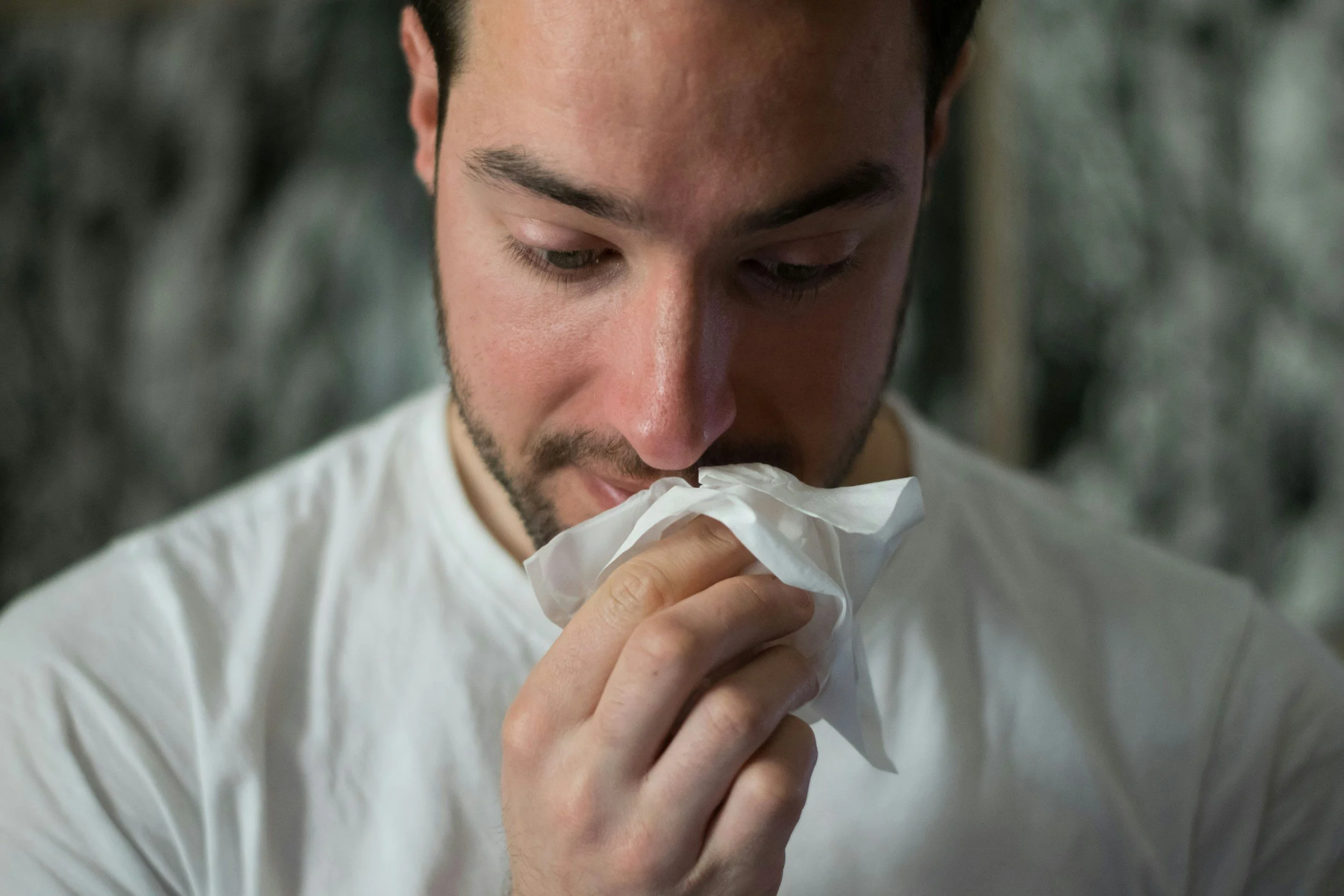
Winter Wellness: Tips for Staying Healthy and Happy in 2026
Winter is fully upon us, and although it has been mild in the Charlotte area it is the peak of ski season in Colorado!
The colder temperatures also signal a shift toward more indoor gatherings. As the days remain shorter and the air turns crisp, prioritizing your health and well-being is more essential than ever.
The reduced daylight of January 2026, combined with the lingering effects of the holiday season, can make it challenging to maintain your fitness and nutrition goals. However, with proactive planning and modern self-care strategies, you can make this winter your healthiest and most energized season yet.
We have compiled a comprehensive guide to staying well this season, incorporating the latest 2026 health trends and medical recommendations.
1. Stay Current on Vaccinations
If you haven't yet received your seasonal immunizations, it is not too late. The CDC continues to emphasize that annual vaccinations are the single most effective way to prevent severe respiratory illness.
Trivalent Flu Vaccine: For the 2025–2026 season, all flu vaccines in the U.S. are trivalent, protecting against three major strains: H1N1, H3N2, and a B/Victoria lineage virus.
Respiratory Syncytial Virus (RSV): Eligibility has expanded. RSV vaccines are now recommended for all adults aged 75 and older, and those aged 50–74 with specific high-risk conditions.
COVID-19 Boosters: Updated boosters are recommended for everyone over six months of age to manage evolving variants.
New Delivery Options: In a major 2026 update, the FDA has approved the
FluMist nasal spray for self-administration or caregiver administration at home, offering a convenient, needle-free alternative for those with busy schedules or needle anxiety.
2. Prioritize Foundational Sleep
In 2026, "sleep health" has moved beyond a luxury to a critical pillar of wellness. Chronic sleep deprivation does more than cause fatigue; it actively alters your immune system.
Immune Impact: New research published in 2025 highlights that even a single night of 24-hour sleep deprivation can change the profile of immune cells to resemble those of individuals with chronic inflammatory conditions.
Vaccine Efficacy: Being well-rested ensures your body develops a more robust immunity following a vaccine.
2026 Sleep Rituals: Trends this year focus on "digital detoxing"—limiting screen exposure 30–60 minutes before bed to allow natural melatonin production to flourish without interference from blue light.
3. Nutrition: Eating for Immunity and Mood
A nutrient-dense diet is your first line of defense against the "winter blues" and seasonal germs. January 2026 food trends emphasize gut health and warming "functional" foods.
Immune-Boosting Superfoods:
Turmeric & Ginger: Both contain anti-inflammatory compounds (curcumin in turmeric and sesquiterpenes in ginger) that help fight oxidative stress. In 2026, it is recommended to consume turmeric with black pepper and a healthy fat (like ghee) to maximize curcumin absorption.
Root Vegetables: Carrots, sweet potatoes, and beets are rich in beta-carotene and fiber, supporting both skin health and immunity.
Citrus & Pomegranates: Peak citrus season provides essential Vitamin C. Pomegranates, a trending 2026 superfood, are packed with antioxidants to support heart health.
The "Sharing" Benefit: A rising wellness trend in 2026 is communal eating. Scientific evidence suggests that sharing a nutrient-dense meal with loved ones lowers stress responses and shifts the body into a "repair" state, which supports better digestion and immune function.
Hydration: Don't forget water. While hot cocoa is a winter staple, aim for 6–8 glasses of water or herbal teas daily to keep your respiratory tract moist and resistant to germs.
4. Practice Mindful Hygiene
The historic basis of infection control remains as vital as ever. Handwashing can reduce the risk of respiratory infections by up to 20%.
Technique Matters: Wash your hands with regular soap and water for at least 20 seconds.
High-Touch Surfaces: Regularly disinfect "germ-breeding" objects like smartphones, keyboards, and remote controls.
Humidity Control: Using a humidifier can prevent the dry indoor air from causing sore throats and nosebleeds, which can create entry points for viruses.
5. Cold Weather Safety: Hypothermia and Frostbite
Outdoor adventures are the highlight of a Colorado winter, but they require vigilance.
Hypothermia: This occurs when your core body temperature drops below 95°F. Early signs include shivering, exhaustion, and confusion.
Frostbite Prevention: Frostbite is the literal freezing of skin and underlying tissue, most common in extremities like fingers and toes.
Dress in Layers: 2026 winter safety guidelines suggest using moisture-wicking base layers, followed by insulating middle layers, and a waterproof outer shell. Always wear headwear that fully covers the ears and switch to dry clothes immediately if yours become wet.
6. Mental Health and Social Connection
January can be a difficult month for mental health due to Seasonal Affective Disorder (SAD).
Embrace the Light: Maximize your exposure to natural sunlight. If outdoor time isn't possible, light therapy lamps (10,000 lux) are a proven tool to boost serotonin.
Joyful Movement: In 2026, dance workouts are making a major comeback as a way to combine cardio with cognitive health and pure joy.
Social Wellness: To combat the "loneliness epidemic," 2026 has seen a rise in alcohol-free social wellness spaces, such as group sauna sessions and winter run clubs.
Final Thoughts
This winter, make self-care a foundational priority rather than an afterthought. By integrating these tips—from modern home-administered vaccines to communal dining—you can navigate the colder months with resilience. Stay warm, stay connected, and enjoy everything the 2026 season has to offer!
Please remember that medical information provided by us must be considered an educational service only. This blog should not be relied upon as medical advice and does not replace your physician’s independent judgment. Please seek the advice of your physician regarding any issues related to your health.
