
Ultimate Guide: Melatonin Supplements
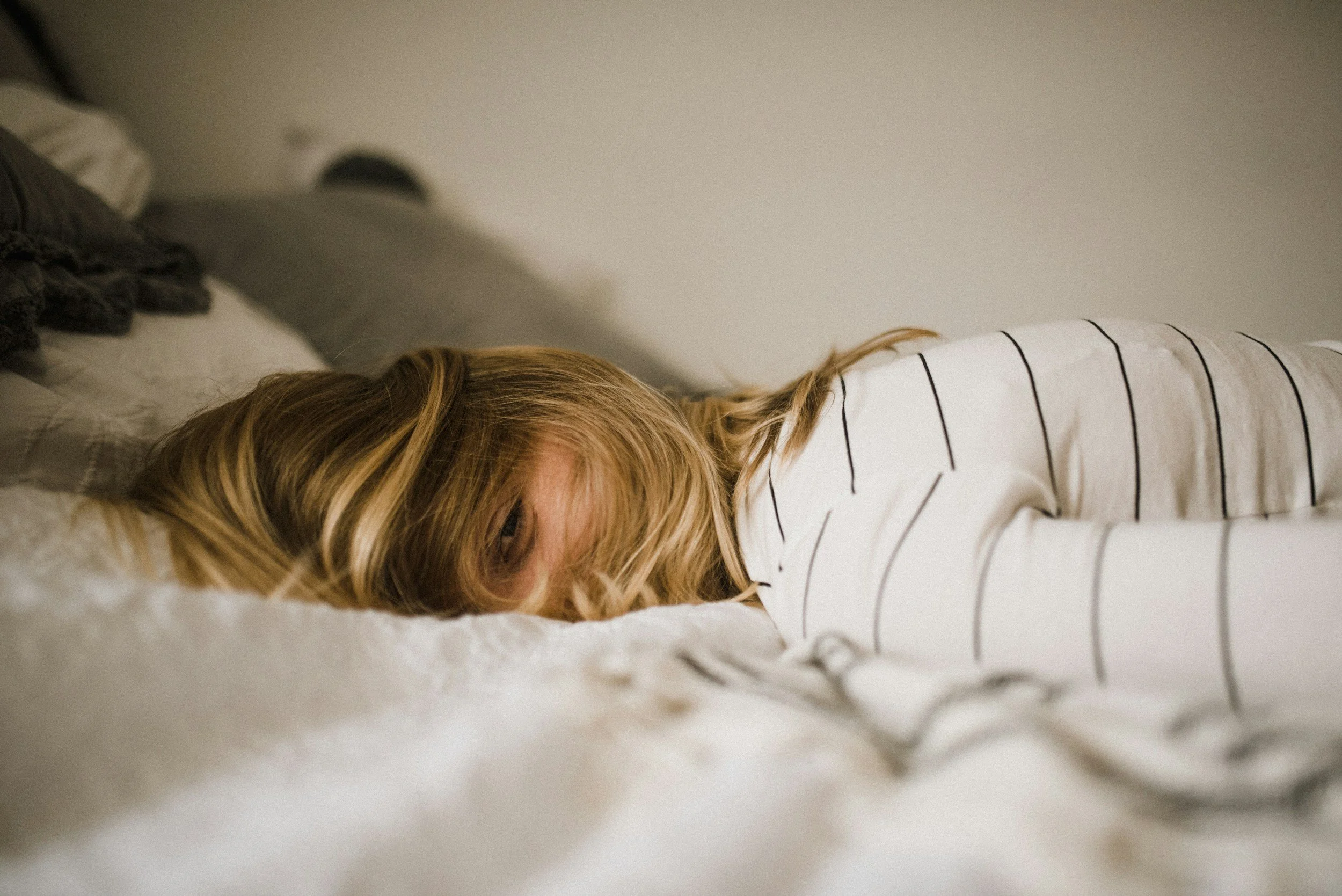
The Architecture of Sleep: Circadian Rhythms and the Melatonin Connection
Sleep is not merely a "passive" state of rest; it is an active, highly choreographed physiological process essential for cognitive function, metabolic health, and emotional regulation. When we discuss fatigue, we are often looking at a mismatch between our internal biological timing and our external environment.
Part I: The Circadian System – Our Internal Conductor
The term "circadian" comes from the Latin circa (about) and diem (day). This 24-hour internal clock is not a single "timer" but a complex network of cellular oscillators coordinated by a master controller.
1. The Suprachiasmatic Nucleus (SCN)
Deep within the hypothalamus lies a tiny structure called the Suprachiasmatic Nucleus. This is the master pacemaker. It receives direct input from the eyes via the retinohypothalamic tract. Interestingly, this pathway is separate from our "vision" pathway. Even some people with total blindness can maintain circadian entrainment because specific cells in the retina (intrinsically photosensitive retinal ganglion cells) detect light and signal the SCN, even if they cannot "see" images.
2. Biological Variables Under Clock Control
The SCN doesn’t just tell you when to sleep; it orchestrates a symphony of daily changes:
Core Body Temperature: Your temperature actually drops to its lowest point in the early morning (around 4:00 AM) and peaks in the late afternoon. A cooling body is a signal to the brain that it is time to sleep.
Cortisol Rhythm: Often called the "stress hormone," cortisol follows a strict rhythm. It spikes right before you wake up (the Cortisol Awakening Response) to provide the energy needed to start the day and tapers off toward evening.
Melatonin Secretion: Known as the "hormone of darkness," melatonin is inhibited by light and stimulated by darkness.
3. The Two-Process Model of Sleep Regulation
To understand why we feel tired, we must look at the interplay between two forces:
Process S (Sleep Pressure): This is homeostatic. From the moment you wake up, a chemical called adenosine builds up in your brain. The longer you are awake, the higher the pressure. Caffeine works by blocking adenosine receptors, "hiding" the pressure from your brain.
Process C (Circadian Drive): This is the rhythm mentioned above. Ideally, Process S and Process C align. If you stay up all night, Process S is maxed out, but around 7:00 AM, Process C kicks in to promote wakefulness, which is why you might get a "second wind" even though you haven't slept.
Part II: Jet Lag and Circadian Disruption
When we travel across time zones, we experience Circadian Desynchrony. Your internal clock (the SCN) is still operating on "Home Time," while the environmental light cues are on "Local Time."
The Eastbound vs. Westbound Challenge
It is generally harder to travel East. When traveling West, you are "lengthening" your day, which the body handles more easily (the human clock actually runs slightly longer than 24 hours naturally). Traveling East requires you to "advance" your clock—trying to sleep when your body thinks it’s only afternoon—which is a much more difficult physiological feat.
Shift Work Disorder
Jet lag is temporary, but for millions of shift workers, circadian disruption is chronic. This "social jet lag" can lead to long-term health risks, including cardiovascular issues and metabolic syndrome, because the body is forced to digest food and remain active during its "biological night."
Part III: Melatonin – The Signal, Not the Sedative
A common misconception is that melatonin is a "herbal Valium." It is not a sedative in the traditional sense; rather, it is a chronobiotic—a substance that shifts the timing of biological rhythms.
1. How it Works (The Agonist Effect)
Melatonin is produced by the pineal gland. It travels through the blood to receptors (MT1 and MT2) in the SCN. By "stimulating" these receptors, it tells the master clock that night has arrived. It lowers the "alertness" signals being sent by the SCN, creating a "gate" through which sleep can occur.
2. The Supplement Reality
In the United States, melatonin is sold as a dietary supplement. This means:
Purity Concerns: Studies have shown that the actual melatonin content in bottles can vary from 80% less than the label to 478% more than the label.
Contamination: Some samples have been found to contain serotonin, a precursor that can be dangerous in high amounts.
Pharmacokinetics: When you take a pill, it is rapidly absorbed (hitting peak levels in 30–60 minutes) and cleared by the liver quickly. This is why some people find "extended-release" versions more effective for staying asleep, while immediate-release is better for falling asleep.
Part IV: Pediatric Considerations – A Growing Concern
The 500% increase in pediatric melatonin use is a significant public health trend. While often effective for children with ADHD or Autism Spectrum Disorder (who may have lower natural melatonin production), for the general population, it is often a "band-aid" for behavioral issues.
1. The Safety Gap
We do not have robust, long-term longitudinal studies on how exogenous (external) melatonin affects a child's developing endocrine system. Because melatonin is a hormone that shares pathways with the reproductive system, some researchers express caution regarding long-term use and the onset of puberty, though human data is currently inconclusive.
2. The "Accidental Overdose" Epidemic
Melatonin gummies look and taste like candy. During the pandemic, ER visits for pediatric melatonin ingestion spiked. While rarely fatal, an overdose can cause extreme lethargy, nausea, and respiratory upset.
3. Sleep Hygiene First (The Non-Pharmacological Approach)
Before turning to supplements, experts recommend a "Digital Sunset":
Blue Light Inhibition: Blue light from screens mimics the short-wavelength light of the sun, which suppresses melatonin production most aggressively.
Consistency: The brain craves predictability. A 15-minute variance in wake-up times is better than a "sleep-in" on weekends, which causes "Monday Morning Blues."
Temperature Control: A cool room (around 65°F or 18°C) facilitates the natural drop in core body temperature needed for deep sleep.
Part V: Clinical Use and Side Effects
For those considering supplementation, the mantra "Less is More" applies.
Micro-dosing: Many clinical trials show that 0.3 mg to 0.5 mg is often just as effective as 5 mg for shifting the clock, with fewer side effects.
Side Effects: While mild, vivid dreaming is the most common report. This happens because melatonin can cause "REM rebound," where the brain makes up for lost dreaming time.
The Prescription Alternative: In Europe and the UK, Circadin (a 2mg prolonged-release version) is a regulated medication for those over 55, reflecting a more cautious, clinical approach to the hormone than seen in the US.
Summary of Best Practices
Consult a Professional: Especially for children or those on other medications (melatonin can interact with blood thinners and epilepsy meds).
Timing is Everything: If using it for jet lag, take it when you want your "new" bedtime to be.
Prioritize Routine: Supplements cannot "fix" a lifestyle that includes high caffeine intake late in the day or heavy screen use before bed.
Please remember that medical information provided by us must be considered an educational service only. This blog should not be relied upon as medical advice and does not replace your physician’s independent judgement. Please seek the advice of your physician regarding any issues related to your health.
